
2026-10-08 · Erik Lindstrom
Winterizing Your Minnesota Home Against Mice
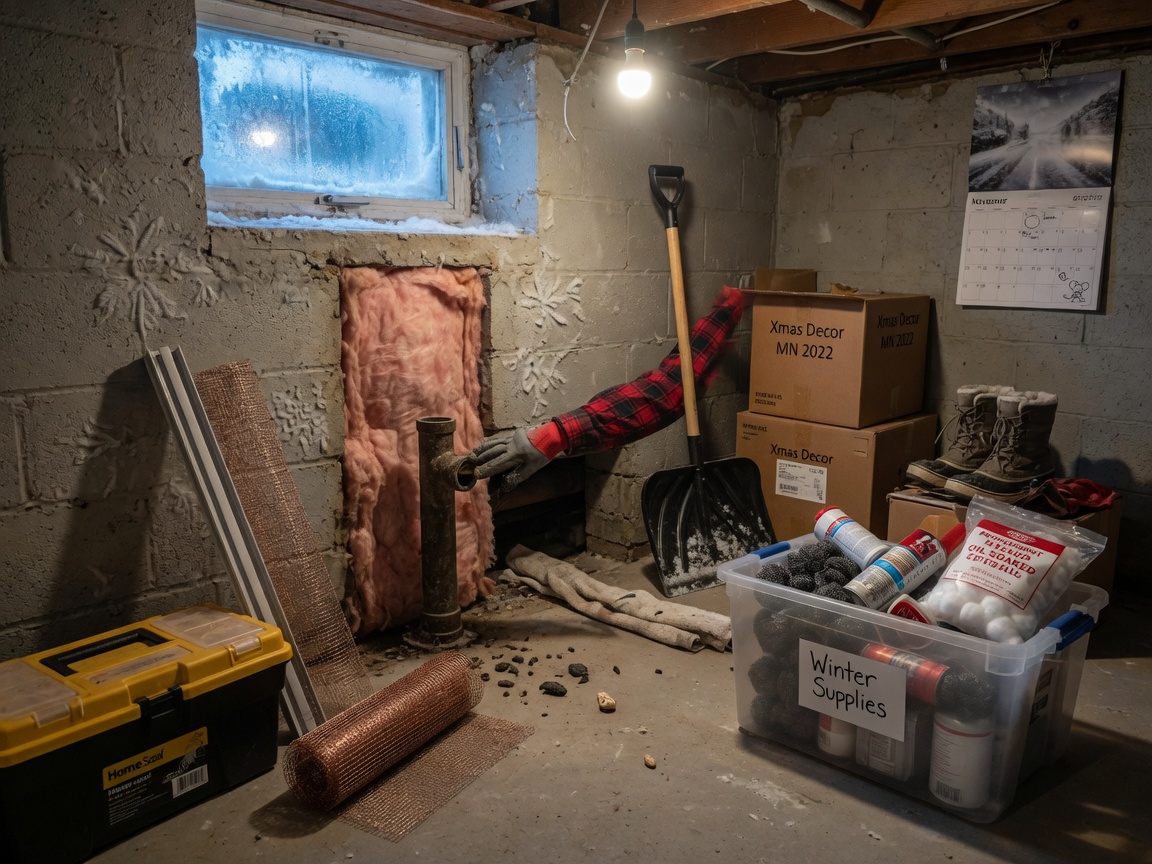
Winterizing your Minnesota home against mice involves a multi-faceted approach, primarily focusing on exclusion to block their entry points before the cold weather truly sets in, typically from late October through December. While no method offers 100% guaranteed mouse control, diligent sealing of gaps as small as 1/4 inch, managing outdoor attractants, and regular interior inspections can drastically reduce the likelihood of an infestation, saving homeowners in areas like Bloomington, Roseville, or even more rural parts of the Minnesota area from potential structural damage, contaminated food, and health risks associated with mice. The key is understanding that mice are actively seeking warmth and shelter as outdoor conditions become less hospitable, making your heated home an attractive target.
Understanding Minnesota's Winter Mouse Problem
Minnesota's harsh winters, with temperatures frequently dropping well below freezing, create an urgent need for mice to find warm, sheltered environments. This isn't just about comfort for them; it's about survival. Our diverse housing stock, ranging from historic homes in St. Paul's Cathedral Hill to newer developments in Eden Prairie or Lakeville, often presents numerous vulnerabilities. Older homes, in particular, can have more cracks, deteriorating foundations, and less tightly sealed utility penetrations, making them easier targets. Even newer constructions, however, aren't immune, as mice can exploit tiny gaps around pipes, wires, and even poorly sealed garage doors. The critical period for mouse activity indoors begins when outdoor temperatures consistently fall below 40°F, prompting a significant increase in their foraging for indoor shelter.
Identifying Common Mouse Entry Points
Mice are incredibly resourceful and can squeeze through surprisingly small openings. A good winterization strategy starts with a thorough inspection of your home's exterior and interior. Pay close attention to areas where different materials meet, such as the foundation and siding, or around windows and doors. Common entry points include gaps around utility lines (gas, water, electrical, AC conduits), dryer vents, and even weep holes in brickwork. Don't forget about the roofline; missing or damaged soffit vents, loose fascia, and even gaps under shingles can provide access to your attic space. For a detailed assessment, consider a professional /services/mouse-inspection, which can pinpoint these often-overlooked vulnerabilities.
Exterior Inspection Checklist:
- Foundation Cracks: Look for any visible cracks or holes in the foundation, especially where pipes or wires enter the home. Seal these with concrete patch or steel wool and caulk.
- Utility Penetrations: Inspect around all pipes, wires, and vents. Any gap larger than a pencil eraser (about 1/4 inch) is an open invitation. Use expanding foam or steel wool and caulk.
- Doors and Windows: Check for tight seals. Gaps under garage doors are particularly common. Install durable door sweeps and ensure weather stripping is intact.
- Roof and Attic Vents: Ensure screens are secure and undamaged. Mice can climb surprisingly well.
- Vents and Chimneys: Install mesh covers over dryer vents, furnace exhausts, and chimney openings.
- Landscaping: Trim back trees and shrubs that provide cover or direct access to your roof or siding.