
2026-10-08 · Erik Lindstrom
Identifying Mouse Droppings and Nests in Minneapolis Attics
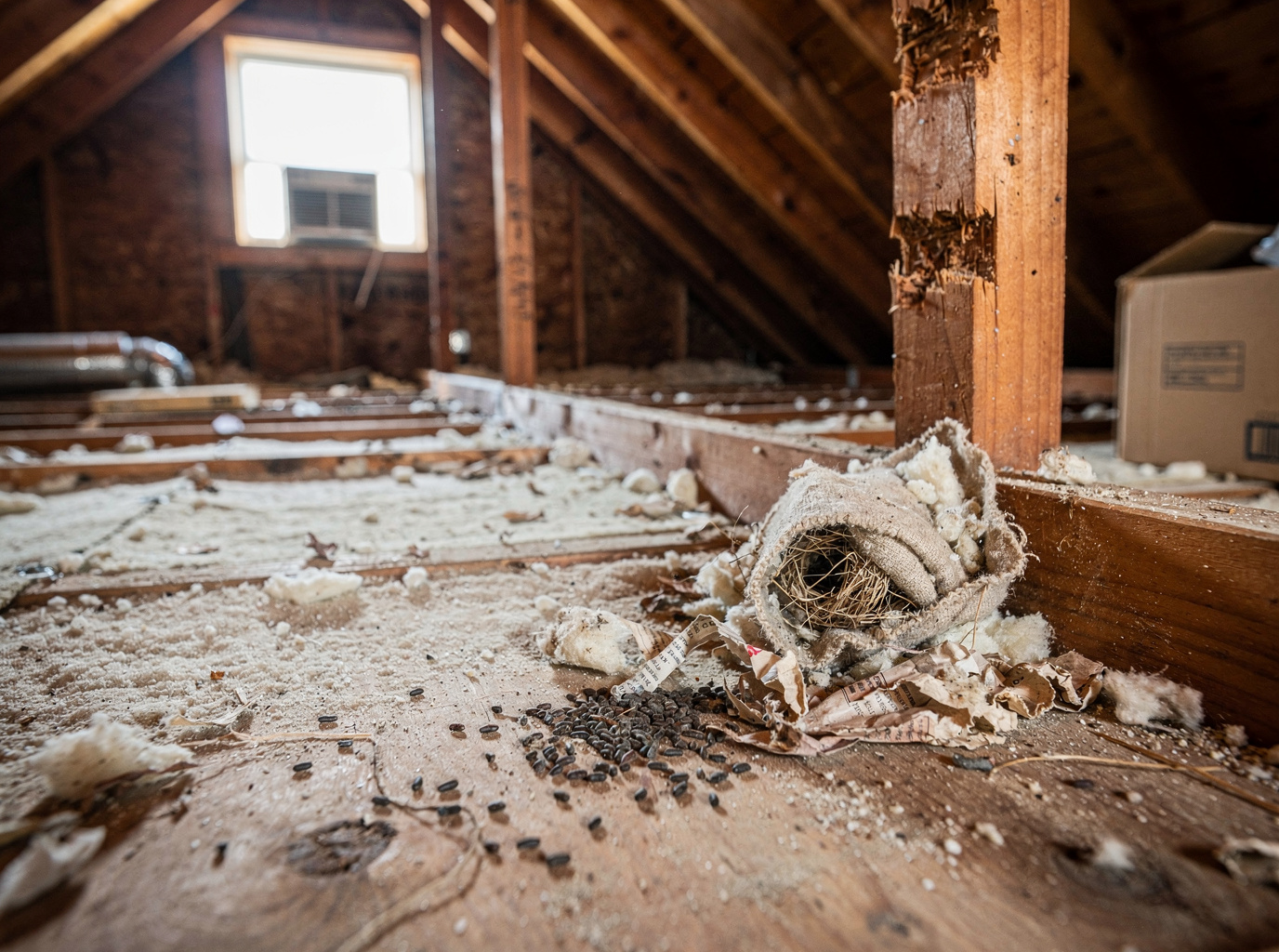
Identifying mouse droppings and nests in your Minneapolis attic is often the first, and most critical, step in addressing a potential rodent issue. Mouse droppings are typically small, dark, and pellet-shaped, resembling grains of rice, usually 3–6 mm in length. Nests, on the other hand, are constructed from soft, shredded materials like insulation, fabric, and paper, often found in secluded, warm areas. In older Minneapolis homes, especially those in neighborhoods like Lowry Hill, Linden Hills, or Northeast Minneapolis, attics provide ideal conditions due to their often-untouched nature and abundant nesting materials. Recognizing these signs early can prevent more extensive damage and health risks associated with a growing mouse population, particularly as winter approaches and mice seek refuge from the cold Minnesota weather.
What Mouse Droppings Look Like
Mouse droppings are distinct and, once you know what to look for, are easily identifiable. They are typically black or dark brown, and their shape is often described as resembling tiny rice grains or sprinkles, with pointed ends. The size is a key indicator; house mouse droppings are generally 3–6 mm long. Fresh droppings will appear soft and shiny, while older ones become hard and dull. The sheer quantity can also tell a story: a few scattered droppings might indicate a transient visitor, but concentrated piles or a widespread distribution across your attic floor, insulation, or storage boxes are clear signs of an active and established presence. Pay close attention to areas near walls, along joists, and around stored items, as these are common pathways for mice.
In Minneapolis attics, especially those with older, blown-in insulation, droppings can sometimes be partially obscured, but their texture and shape remain consistent. Unlike larger rodent droppings, which are often capsule-shaped, mouse droppings are notably smaller. If you're unsure, comparing them to common household items like a grain of rice can help confirm their identity. Finding these tell-tale signs means it's time to consider a professional inspection to assess the extent of the activity and prevent further issues. For more detailed information on what to look for, you might find our service page on Mouse Droppings helpful.
Where to Find Mouse Droppings in Minneapolis Attics
Mice are creatures of habit and will often leave droppings along their regular travel routes. In a Minneapolis attic, these routes commonly include the perimeter walls, along ceiling joists, and near any stored items. They prefer to stay hidden, so you'll often find concentrations of droppings in less-disturbed areas, such as behind stored boxes, under insulation, or in the corners of the attic. Look for trails of droppings leading to potential food sources or nesting sites. If you have any exposed pipes, wiring, or ductwork, check on top of these, as mice often use them as elevated highways.
The type of attic can also influence where droppings are found. In homes with unfinished attics common in areas like South Minneapolis or St. Anthony Park, droppings might be more visible on the subfloor or exposed insulation. In attics with more clutter, mice will use the cover to their advantage, making droppings harder to spot without moving items around. During colder months, when mice are more actively seeking warmth, you might find more concentrated activity closer to the attic access point or near heat sources, as they try to get closer to the main living spaces below. This is especially true when the Minnesota winter temperatures drop significantly, driving rodents indoors.
Identifying Mouse Nests
Mouse nests are unmistakable once you know what to look for. They are typically spherical or cup-shaped structures, ranging from the size of a golf ball to a softball, though they can be larger if the mouse population is significant. These nests are almost always constructed from soft, readily available materials that mice can shred and gather. In Minneapolis attics, this most often includes shredded insulation, particularly fiberglass or cellulose, but also torn up paper, cardboard, fabric scraps, and even dryer lint if it's accessible. The key characteristic is the shredded appearance of the materials, indicating that a mouse has deliberately torn them apart to create a cozy, warm shelter.
Common locations for nests in attics include secluded, undisturbed spots that offer warmth and protection. Think about areas like: behind or under stored boxes, within piles of old clothes or newspapers, in wall voids accessible from the attic, or nestled deep within insulation. You might also find them near heat sources, such as recessed lighting fixtures, exhaust vents, or even close to chimneys. These locations provide the ideal microclimates for mice, especially during the cold Minnesota winters. If you suspect a mouse nest, handle it with care, as they can harbor parasites and pathogens. Our service page on Mouse Nest in Attic provides more context on dealing with these discoveries.
Why Mice Build Nests in Attics
Attics provide an ideal environment for mice, making them a prime location for nesting, especially in a climate like Minnesota's. The primary draw is shelter from the elements and predators. During the harsh winter months, when temperatures in Minneapolis can plummet well below freezing, an attic offers warmth and protection that outdoor environments simply cannot. The insulation, whether it's fiberglass, cellulose, or even older forms, provides an abundant, easily shredded material for nest building, creating excellent thermal regulation for the mice and their young.